The difference between Marketing and Branding
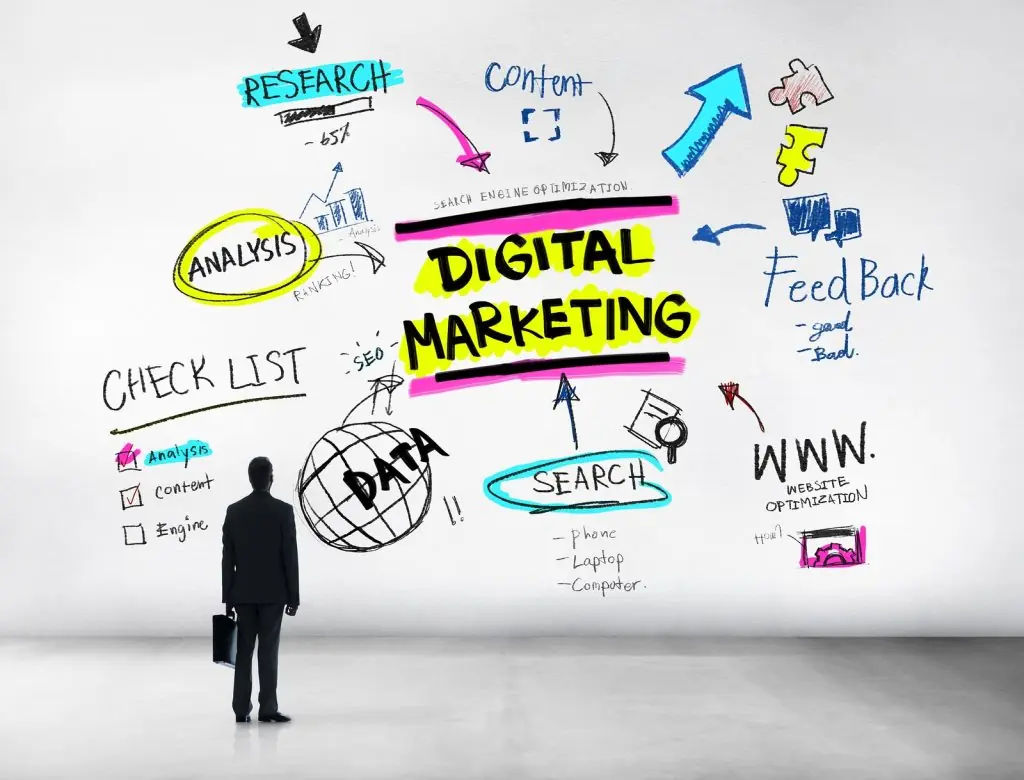
Branding and marketing: an essential distinction that small businesses and organizations in particular almost entirely ignore.
This is an opportunity to present an informative article we have translated, as part of our effort to convince you that it is better for a business to use its limited resources to design and implement even a rudimentary “branding plan” than to waste its scarce money on pointless marketing activities.
We live in the age of social media and networking, and businesses that take shape with the help of well-organized digital agencies, building a good brand, show the difference. In our country this service has until now been considered of secondary importance. But in today’s Greece of dead ends, for businesses that are “deflating” without finding ways to look beyond their borders, it is a very good way to promote themselves, as long as it is well designed by the right people. The shift from the age of marketing to the age of branding, which social media make possible at a lower cost than in the past, will force many to close and will bring the deserving to the fore.
Let’s look at exactly what James Heaton argues on the subject.
“In a recent conversation, a senior executive at a financial institution told me: ‘I think private equity managers will have a hard time seeing the value of branding, and that marketing is a high-cost tool, not the driving force behind sales.’ So is there a difference between marketing and branding?
There are many opinions, but in my view marketing is mainly about promoting a product or a service. It is a “push” tactic. By pushing out a message, you expect sales to rise: “Buy our product because it is better than the others…” (or it’s cool, or someone famous uses it, or you have this problem and this thing will fix it, etc.). Today we understand that this is nothing more than an oversimplification of selling.
That is not branding.

Photo: APIVITA communicates the natural origin of its products’ raw materials to its loyal audience with near-religious devotion. photo credit: Apivita Facebook
Branding must come first and be the foundation of every marketing activity. The brand (put simply: the trademark) is not a push tool but a pull tool. The brand is the expression of the truth or the value of an organization, a product or a service. It is the communication of the characteristics, values and attributes that say what that particular brand is and what it is not.
A brand will encourage someone to buy a product, and it will support sales or marketing, but the brand does not explicitly say “buy me”. Instead, it says “This is who I am. This is why I exist. If you agree, if you like me, you can buy me, support me and recommend me to your friends. ”

Photo: Cocomat backs the launch of a completely different product, the Cocobike (a bicycle with a wooden frame), on the same values on which the company’s sleep products are made.
Branding is the strategy, while marketing is the tactic.
Marketing can contribute to a brand, but branding is bigger than any marketing activity. Branding, in other words, is what remains after the marketing activities. It is what you have in mind, or don’t, about a product, a service or an organization at that particular moment when you have bought it or have not bought it.
Branding is ultimately what determines whether someone becomes a loyal customer or not. Marketing may persuade you to buy a particular Toyota, but branding is what will determine whether you buy only Toyotas for the rest of your life.
A brand is built from many things. Very important among them is how the brand “holds up” in the market. Was the product delivered as its brand promises? Does the manufacturer continue to meet the quality standards of the brand that made it what it is? Do the salesperson or the service engineer know and apply the principles of the brand?
Marketing discovers and activates consumers. But branding is what creates loyal customers. This works the same way for all types of businesses and organizations. All organizations have to sell (including non-profits). The way they sell may differ, but everyone in an organization, with every action they take, either builds or erodes their brand. Every thought, every action, every policy, every advertisement, every promotion either encourages or discourages whoever is exposed to these actions from becoming loyal to the brand. And all of the above ultimately affects sales.
Now back to the financial side of the matter. Should marketing be the manager of a department with its own budget in the business? For very limited promotional activities, marketing can certainly be a central budget holder, but not for a well-planned promotional marketing campaign that is regarded as an investment and is paid for by sales and by the credibility of the brand.
Can the branding department be the central manager of that budget? We could say yes, but certainly only when the backup for the branding we apply is the loyalty we expect. And that backup is linked to: the salespeople, whose work becomes easier and more effective; the employees, who work harder and more effectively; and the customers, who become ambassadors and supporters of the organization.
Branding is vital to the success of a business or a non-profit organization that is financially coherent, has a real vision for the future and, of course, a quality support mechanism.
It is the essential foundation for successful operation. So yes, it can be a separate department that manages a specific budget, of equal value to the good employees, the finance experts and the innovations of the business or organization, departments with which it must work closely.
It should be a department that manages a specific budget, because what is truly expensive is when a business has no such department, or the one it has is downgraded.”